
Elderly depression presents unique challenges, including physical health decline, social isolation, and cognitive function loss, exacerbated by retirement, bereavement, and reduced mobility. Geriatric psychiatry offers specialized services like evidence-based therapies, cognitive-behavioral interventions, and supportive group settings to address complex needs. Tailored approaches manage comorbidities, medication interactions, and age-related issues, enhancing participation rates and outcomes in elderly depression treatment. Specialized addiction recovery strategies, combining individual therapy, group support, and lifestyle interventions, aim to improve overall well-being and prevent relapse. Supportive communities and effective aftercare systems foster healing, belonging, and lasting mental health maintenance for seniors.
Mental health and addiction treatment tailored for older adults and seniors is a growing area of focus, given the unique challenges that arise with aging. This article explores effective strategies for addressing mental health issues, particularly elderly depression treatment, among this demographic. We delve into tailored programs, common approaches, and supportive community care essential for optimal senior engagement and lasting recovery. Understanding these nuances can significantly impact quality of life for older adults facing these complex challenges.
- Understanding Elderly Depression and Its Unique Challenges
- Tailoring Treatment Programs for Optimal Senior Engagement
- Common Approaches to Addiction Recovery in Older Adults
- Supportive Community and Aftercare for Lasting Recovery
Understanding Elderly Depression and Its Unique Challenges

Depression among older adults presents distinct challenges that often go unrecognized. As individuals age, they may experience a decline in physical health, social isolation, and cognitive function, which can contribute to feelings of hopelessness and sadness. The unique circumstances of aging, such as retirement, loss of loved ones, and reduced mobility, can exacerbate the risk of developing elderly depression. Unlike younger individuals, seniors might internalize their struggles, making it crucial for caregivers and healthcare providers to be vigilant in identifying subtle signs like increased irritability, changes in sleep patterns, or a lack of interest in hobbies.
Early intervention is vital for effective elderly depression treatment. Geriatric psychiatry offers specialized services tailored to address the complex needs of seniors. These programs recognize that treating addiction among older adults requires a nuanced approach, considering comorbidities and the impact of medications. By incorporating evidence-based therapies, cognitive-behavioral interventions, and supportive group settings, geriatric mental health professionals can help seniors navigate their depression while managing any co-occurring substance use disorders, fostering a holistic path to recovery and improved quality of life.
Tailoring Treatment Programs for Optimal Senior Engagement

In designing treatment programs for older adults, understanding the unique needs and challenges of this demographic is crucial. Elderly depression treatment, for instance, often requires a nuanced approach as seniors may face complexities such as age-related physical health issues, cognitive changes, and social isolation. Program developers must consider these factors to ensure optimal engagement and effectiveness.
Geriatric psychiatry plays a vital role in tailoring interventions, focusing on evidence-based practices that address both mental health and any co-occurring addiction issues prevalent among seniors. This might involve modifying traditional therapy sessions to accommodate mobility concerns or incorporating technology for those unfamiliar with modern digital tools. By catering to these specific needs, senior addiction treatment programs can foster higher participation rates and better outcomes in elderly mental health management.
Common Approaches to Addiction Recovery in Older Adults

Addiction recovery for older adults often involves tailored approaches that consider the unique challenges and experiences of this demographic. Common strategies include cognitive-behavioral therapy (CBT), which helps individuals identify and change negative thought patterns and behaviors associated with substance abuse. This therapeutic method is effective in addressing underlying issues contributing to addiction, such as stress, anxiety, or depression—common mental health concerns among the elderly.
Additionally, geriatric psychiatry emphasizes the importance of comprehensive assessment and treatment plans tailored to the physical, cognitive, and emotional needs of seniors. This may involve a combination of individual therapy, group support sessions, medication management, and lifestyle interventions like stress reduction techniques or mindfulness practices. Such personalized approaches aim to improve overall well-being, enhance coping skills, and prevent relapse in older adults struggling with addiction and mental health issues.
Supportive Community and Aftercare for Lasting Recovery
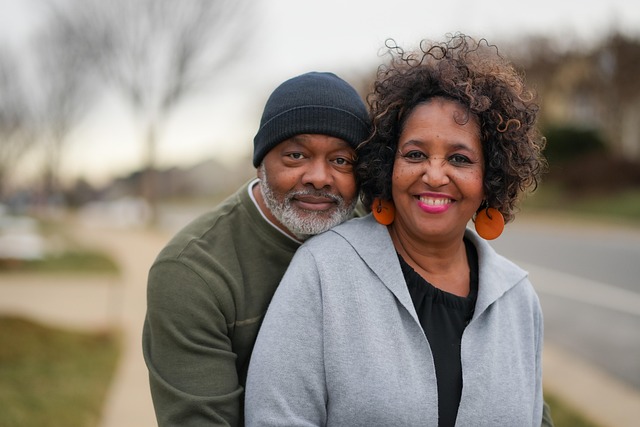
A supportive community plays a pivotal role in the recovery journey for elderly individuals battling depression and addiction. Specialized treatment programs recognize that older adults often face unique challenges, including social isolation and physical health issues, which can complicate their mental health struggles. By fostering a sense of belonging and connection, these programs create an environment conducive to healing. Peer support groups, social activities, and community outreach initiatives help seniors build new, positive relationships and develop coping strategies for long-term well-being.
Aftercare is another critical component ensuring lasting recovery in geriatric psychiatry. Effective post-treatment support systems provide ongoing care and monitoring for seniors, helping them maintain newfound stability. This can include regular check-ins with healthcare providers, access to counseling services, and participation in alumni programs. By addressing potential relapses and providing continuous encouragement, aftercare programs empower elderly individuals to sustain their mental health and addiction recovery over time.
Elderly depression and addiction are significant issues that require tailored mental health programs addressing the unique needs of seniors. By understanding the specific challenges faced by older adults, such as physical changes, social isolation, and cognitive differences, healthcare professionals can design effective treatment plans. Tailoring these programs to enhance senior engagement ensures better outcomes. Common approaches, including cognitive-behavioral therapy, medication management, and peer support groups, offer proven paths to recovery. Additionally, building supportive communities and providing comprehensive aftercare services are essential for fostering lasting mental well-being among seniors, ultimately improving their quality of life.