
Elderly depression treatment presents unique challenges due to age-related factors like physical health decline, social isolation, and cognitive changes. Recognizing signs such as persistent sadness, loss of interest, and thoughts of suicide is crucial. Stigma prevents many seniors from seeking help. Integrated care models, combining medical, psychological, and social services, are vital for effective treatment, addressing co-occurring conditions, cognitive changes, and medication interactions. Community support programs foster social connections and offer assistance to combat isolation, enhancing the long-term mental health and quality of life for older adults with depression.
As our population ages, addressing mental health and addiction among older adults becomes increasingly vital. This article explores tailored strategies for treating elderly depression and addiction, focusing on the unique challenges faced by seniors. We delve into understanding the signs of elderly depression, examining specific treatment approaches designed to address their needs, and highlighting integrated care models that promote optimal recovery. Additionally, community support and preventive measures are discussed to ensure long-term mental wellbeing in this vulnerable population.
- Understanding Elderly Depression: Signs and Challenges
- Tailored Treatment Approaches for Seniors
- Integrated Care Models for Optimal Recovery
- Community Support and Preventive Measures for Long-Term Wellbeing
Understanding Elderly Depression: Signs and Challenges

Elderly depression is a significant concern among older adults, often presenting unique challenges due to age-related factors. As people age, they may experience a decline in physical health, loss of loved ones, reduced social connections, and cognitive changes, all of which can contribute to depressive symptoms. Recognizing the signs is crucial for effective elderly depression treatment. Common indicators include persistent feelings of sadness, loss of interest in activities once enjoyed, changes in appetite and sleep patterns, fatigue, difficulty concentrating, and thoughts of worthlessness or suicide.
The challenges associated with treating depression in seniors are multifaceted. Geriatric psychiatry specialists note that elderly individuals might not seek help due to a stigma surrounding mental health issues or the belief that depression is a normal part of aging. Additionally, co-occurring conditions, such as chronic pain, cardiovascular disease, and cognitive impairments, can complicate the diagnosis and treatment process. Tailored interventions, including medication, psychotherapy, and lifestyle modifications, are essential to address these complex needs effectively.
Tailored Treatment Approaches for Seniors

In addressing the complex needs of older adults and seniors dealing with mental health issues or addiction, tailored treatment approaches are essential. Programs designed specifically for this demographic consider the unique challenges that come with aging, such as age-related physical health problems, cognitive changes, and social isolation. For instance, elderly depression treatment should incorporate strategies to manage chronic conditions, improve mobility, and foster social connections, all while addressing the core symptoms of depression.
Geriatric psychiatry plays a crucial role in developing these tailored interventions. Professionals in this field understand that senior addiction, whether it's substance abuse or behavioral addictions, often intersects with other age-related concerns. By integrating evidence-based practices and considering the complex interplay between mental health, physical well-being, and social dynamics, geriatric psychiatrists can offer more effective support for older adults seeking treatment.
Integrated Care Models for Optimal Recovery

Integrated Care Models for Optimal Recovery play a pivotal role in addressing the complex needs of older adults and seniors struggling with mental health issues and addiction. These models emphasize holistic treatment approaches, combining medical, psychological, and social services to create a comprehensive support system. By integrating various disciplines, geriatric psychiatry specialists can tailor interventions to the unique challenges faced by this demographic, such as co-occurring conditions, cognitive changes, and potential medication interactions.
Such integrated care facilitates optimal recovery by ensuring that elderly depression treatment, for instance, doesn't isolate mental health services from primary medical care or social support networks. This collaborative approach recognizes that senior addiction and elderly mental health are intricately linked to physical well-being, living arrangements, and community connections. As a result, it promotes more effective long-term management and enhances the overall quality of life for older individuals seeking recovery.
Community Support and Preventive Measures for Long-Term Wellbeing
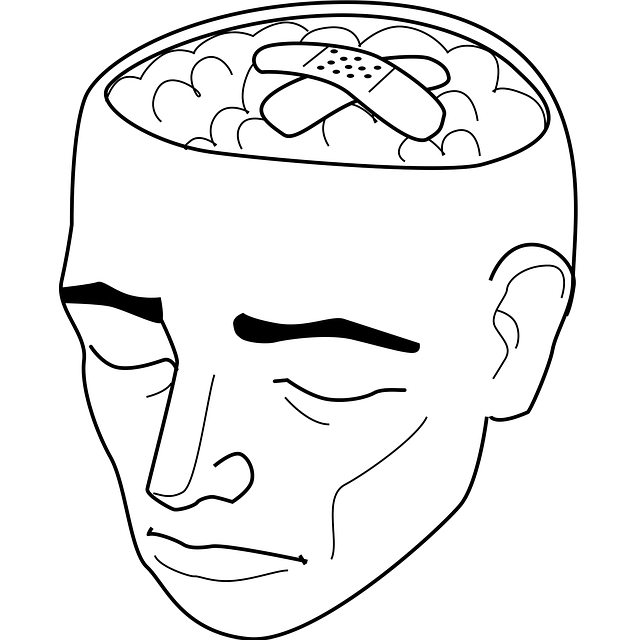
Community support plays a pivotal role in the long-term wellbeing of older adults dealing with mental health issues and addiction. For many seniors, accessing specialized geriatric psychiatric services can be challenging due to physical limitations or social isolation. However, community-based programs designed to foster social connections and provide practical assistance can significantly enhance recovery. These initiatives often include support groups, peer mentoring, and home visit programs that create a safety net around individuals at risk.
Preventive measures are equally crucial in combating elderly depression treatment challenges. Early intervention strategies focused on promoting active lifestyles, fostering meaningful social interactions, and addressing potential isolation risks can help mitigate mental health decline. By integrating community resources into care plans, healthcare providers can empower seniors to maintain independence while ensuring they have access to necessary support networks for enduring resilience and improved quality of life.
Elderly depression treatment requires specialized approaches that address the unique challenges faced by older adults. By understanding the signs and implementing tailored care models, such as integrated care and community support, we can significantly improve the mental health and overall wellbeing of seniors. These comprehensive strategies not only enhance recovery but also foster a sense of belonging and purpose, ensuring a brighter and more fulfilling future for our elderly population.