
Elderly depression, affecting millions globally, requires tailored treatment due to age-specific factors like chronic conditions and social isolation. Recognizing unique triggers such as life transitions and substance abuse is crucial. Healthcare providers play a key role in screening during routine check-ups, offering early intervention with therapy or medication. Evidence-based approaches like CBT and interpersonal therapy are effective for addressing social isolation, chronic illnesses, and cognitive changes contributing to depression. Specialized geriatric psychiatry interventions tackle senior addiction co-occurring with depression, integrating medication with therapeutic techniques. Building community support through group therapy, support groups, and involving family in care plans enhances long-term recovery for elderly individuals.
In exploring mental health and addiction recovery for older adults, this article delves into the unique challenges and evidence-based solutions. Understanding elderly depression, recognizing its symptoms and causes, is pivotal in developing effective treatment programs. While addiction among seniors presents distinct hurdles, evidence-based approaches offer hope. We discuss strategies such as building community and family support systems, crucial for long-term recovery from elderly depression treatment perspectives.
- Understanding Elderly Depression: Recognizing Symptoms and Causes
- Unique Challenges in Treating Addiction among Seniors
- Evidence-Based Approaches for Effective Elderly Mental Health Support
- Building Community and Family Support Systems for Long-Term Recovery
Understanding Elderly Depression: Recognizing Symptoms and Causes

Elderly depression is a significant concern within geriatric psychiatry, affecting millions of seniors worldwide. Recognizing the unique challenges and causes of this condition is crucial for effective elderly depression treatment. Symptoms can include persistent feelings of sadness, loss of interest in activities once enjoyed, changes in appetite and sleep patterns, fatigue, difficulty concentrating, and even thoughts of death or suicide. These manifestations may differ from younger individuals' experiences due to age-related factors like chronic health conditions, social isolation, and cognitive changes.
Understanding the root causes behind elderly depression is essential for tailored interventions. Common triggers include life transitions such as retirement, loss of a spouse or close friends, financial strain, and reduced mobility. Senior addiction to substances or excessive use of technology can also contribute. Healthcare providers play a vital role in screening for depression during routine check-ups, providing early intervention, and offering appropriate geriatric mental health support, which may involve therapy, medication, or a combination of both.
Unique Challenges in Treating Addiction among Seniors

Treating addiction among older adults presents unique challenges that often go overlooked. As our population ages, it's crucial to understand the distinct needs and barriers faced by seniors in seeking help for substance use disorders. Many elderly individuals may struggle with feelings of isolation, chronic pain, or cognitive impairment, all of which can complicate traditional treatment approaches. These underlying health issues can make it difficult for seniors to engage in intensive rehabilitation programs typically prescribed for younger adults.
Additionally, societal stigma surrounding addiction and aging further exacerbates the problem. Elderly depression, often a contributing factor in substance abuse, may be misdiagnosed or overlooked due to ageist beliefs. The integration of geriatric psychiatry into addiction treatment plans is essential to addressing these challenges. Customized care that considers both mental health and physical well-being, alongside tailored support systems, can significantly improve outcomes for seniors struggling with addiction.
Evidence-Based Approaches for Effective Elderly Mental Health Support
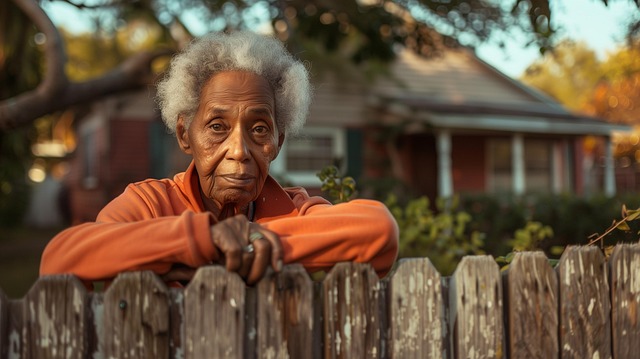
In addressing the unique challenges of elderly depression treatment, evidence-based approaches have proven highly effective for supporting seniors' mental health. These strategies are designed to tackle the complex interplay of factors that can contribute to depressive symptoms in older adults, such as social isolation, chronic illnesses, and cognitive changes. One such approach is cognitive-behavioral therapy (CBT), which helps individuals identify and change negative thought patterns and behaviors contributing to depression. Another successful method is interpersonal therapy, focusing on improving relationships and social connections, crucial elements for combating loneliness and enhancing overall well-being in the geriatric population.
Additionally, geriatric psychiatry offers specialized interventions tailored to senior addiction issues, often co-occurring with depression. These programs incorporate medication management alongside therapeutic modalities like motivational interviewing and contingency management to address substance abuse while supporting the underlying mental health conditions. By integrating evidence-based practices, these comprehensive approaches ensure that elderly individuals receive targeted care that addresses both their mental health and any accompanying addiction concerns, fostering improved quality of life and enhanced resilience in older adults.
Building Community and Family Support Systems for Long-Term Recovery

Building community and family support systems is a cornerstone of long-term recovery for older adults seeking treatment for mental health issues or addiction. For seniors, who may live alone or have limited social networks, connecting with like-minded individuals can provide much-needed comfort, understanding, and encouragement during their healing journey. Group therapy sessions, support groups, and community outreach programs specifically designed for the elderly offer a safe space to share experiences, gain insights, and develop coping strategies together.
Integrating family members into the recovery process is equally vital. Geriatric psychiatry services often emphasize family involvement as a key factor in successful treatment outcomes. By educating relatives on the unique challenges faced by older adults with mental health or addiction problems, these programs foster a supportive environment at home. Regular communication, open dialogue, and collaborative care plans ensure that the senior's recovery efforts are sustained and strengthened by their loved ones.
Mental health and addiction treatment tailored for older adults must address unique challenges, such as loneliness and chronic conditions. Combining evidence-based approaches with robust community and family support systems offers the best path forward for effective elderly depression treatment and long-term recovery. By recognizing symptoms early and implementing targeted interventions, we can significantly improve the quality of life for seniors navigating these complex issues.